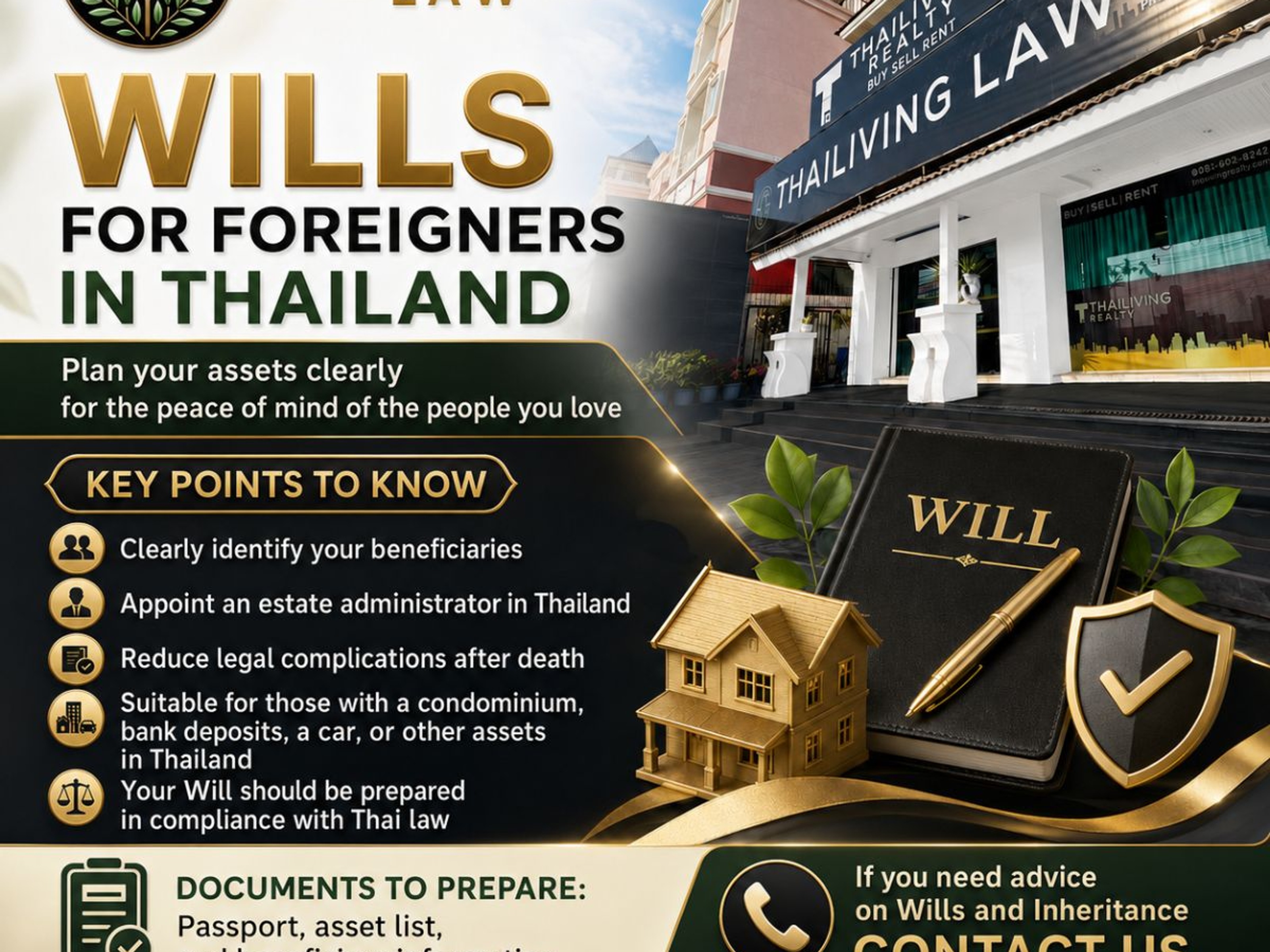
Ever wondered what happens if your Thai assets are left without a clear plan? Without a Will, your wishes might not be honored, leaving your loved ones in a legal quagmire.
In today's globalized world, many foreigners find themselves owning assets in Thailand, from bustling city condominiums to serene beachfront properties. However, without proper planning, these assets can become a source of confusion and conflict. This is why having a Will that specifically addresses your Thai holdings is crucial. A Will ensures that your assets are distributed according to your wishes, rather than the default order of heirs under Thai law, which may not align with your intentions.
Thai law provides a structured framework for handling estates, but it comes with specific requirements. According to Thai law, if you pass away without a Will, your estate will be distributed according to a set hierarchy of heirs. This might not reflect your personal wishes and could lead to prolonged legal proceedings. Having a Will allows you to specify who inherits what, appoint an estate administrator, and even set conditions for inheritance. However, it is vital to ensure that the Will complies with Thai legal standards to avoid it being contested or invalidated.
In practice, enforcing a Will in Thailand involves several steps. After a person's death, an application must be filed with the Thai court to appoint an estate administrator. This process can be intricate, requiring detailed documentation such as a copy of the deceased's passport, a comprehensive list of assets, and the Will itself. The court then oversees the distribution of assets, ensuring compliance with the deceased's wishes as outlined in the Will.
Foreign nationals, especially those with Thai spouses or mixed Thai-foreign families, are particularly affected by these legal nuances. For instance, while foreigners can own condominiums, there are restrictions on land ownership. This means that the legal status of certain assets and the eligibility of beneficiaries need careful examination. Without a Will, families may face additional challenges in navigating these complexities, potentially leading to disputes or delays.
One common mistake is assuming that a foreign Will automatically covers assets in Thailand. However, a Will that is not tailored to Thai law might not be recognized, leading to complications. Another misconception is that assets will automatically transfer to heirs upon death. In reality, the legal process requires court intervention to officially transfer ownership, which can be time-consuming if not properly prepared.
To ensure compliance and peace of mind, foreigners should take concrete steps: draft a Will that meets Thai legal standards, gather all necessary documents, and consult with legal experts familiar with Thai inheritance law. This proactive approach not only safeguards your assets but also protects your loved ones from unnecessary legal hurdles.
Planning your estate today can prevent future uncertainties. By preparing a valid Thai Will, you can ensure that your assets are distributed according to your wishes, providing clarity and security for your family.
Contact Thailiving Law for a consultation to secure your assets and ensure your wishes are honored.